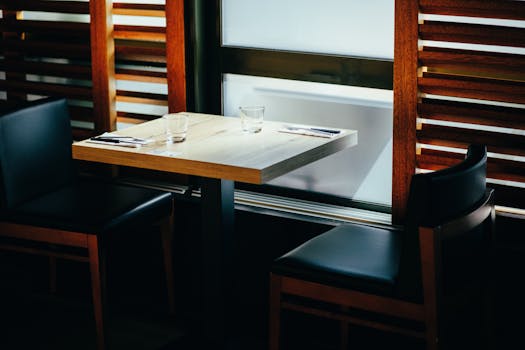

We often approach our living spaces as mere canvases for decoration, a collection of items to fill voids and make surfaces aesthetically pleasing. But what if our furniture and design choices were not just about how things look, but how they feel, how they function, and more importantly, how they facilitate the very rhythm of our lives? This is where a deeper understanding of home place furniture and design truly begins. It’s about creating an ecosystem, a harmonious blend of form and function that actively supports and elevates our daily existence.
The Unseen Architecture: How Layout Dictates Life
It’s a common misconception that design begins with selecting sofas or choosing paint colors. In reality, the foundational element of any successful home place furniture and design strategy is the layout. Before a single piece of furniture is chosen, understanding the flow of your space is paramount. Think about how you move through your home. Where do you naturally gravitate? What are the key activity zones, and how can they be optimized?
For instance, a kitchen that feels cramped despite ample cabinet space might simply suffer from poor workflow. Redesigning the island placement or even considering a subtle shift in appliance location can unlock newfound efficiency. Similarly, a living room that feels disjointed might benefit from a furniture arrangement that encourages conversation rather than isolating individuals. This initial phase, often overlooked, is the bedrock upon which all other design decisions are built.
Materiality as Narrative: Telling Your Story Through Texture and Tone
The materials we choose for our furniture and finishes are not just passive elements; they are active storytellers. Consider the warmth of a reclaimed wood dining table. It carries with it a history, a tactile connection to nature and craftsmanship that can imbue a dining experience with a sense of grounding and authenticity. In contrast, the sleek coolness of polished concrete or the gleam of brushed metal might speak to a more minimalist, modern sensibility.
This isn’t just about personal preference; it’s about how these materials interact with light, with sound, and with our other senses.
Tactile Engagement: Do you prefer the soft embrace of velvet or the firm support of leather?
Visual Harmony: How do the textures and patterns of different materials play off each other?
Durability and Maintenance: Consider the long-term implications of material choices for your lifestyle.
Exploring the narrative potential of materiality is a sophisticated approach to home place furniture and design, moving beyond superficial trends to create spaces with enduring character and resonance.
The Psychology of Space: Fostering Well-being Through Design
Our homes are more than just shelters; they are environments that profoundly impact our psychological state. The principles of home place furniture and design can be harnessed to cultivate a sense of calm, focus, or even invigorating energy, depending on your needs. Consider the impact of natural light. Maximizing its ingress through thoughtful window treatments and furniture placement can significantly boost mood and productivity.
The strategic use of color, too, plays a crucial role. Deep blues can promote tranquility, while vibrant yellows can stimulate creativity. But it’s not just about bold statements; the subtle interplay of hues and the deliberate inclusion of biophilic elements – plants, natural patterns – can create an environment that feels both grounding and uplifting. I’ve often found that even the smallest additions, like a strategically placed mirror to reflect light or a comfortable reading nook bathed in sunlight, can dramatically shift the emotional tone of a room.
Functionality Reimagined: Furniture That Works For You
The ultimate test of successful home place furniture and design lies in its functionality. Is your furniture actively serving your needs, or is it an obstacle? This extends beyond simply fitting into a space; it’s about how pieces contribute to the efficiency and ease of your daily routines. Modular furniture, for instance, offers unparalleled adaptability, allowing spaces to evolve as your needs change.
Think about storage solutions that are integrated seamlessly into the design, rather than appearing as afterthoughts. A well-designed built-in bookshelf can not only house your literary treasures but also serve as a beautiful architectural feature. Similarly, investing in pieces that are ergonomically sound, like an adjustable desk or a supportive armchair, is an investment in your physical well-being. When furniture truly works for you, it liberates mental energy and reduces friction in your day-to-day life.
Curating Your Sanctuary: The Art of Intentional Selection
In an era of endless consumerism, the most powerful aspect of home place furniture and design is intentional curation. It’s about moving away from impulse buys and towards thoughtful acquisitions that align with your long-term vision for your home. This involves asking critical questions:
Does this piece serve a genuine purpose in my life?
Will it age gracefully, both aesthetically and structurally?
Does it resonate with my personal style and values?
Building a home that feels authentically yours is a journey, not a destination. It’s about creating a sanctuary that reflects your personality, supports your lifestyle, and provides comfort and joy. This meticulous approach to selection, prioritizing quality and meaning over quantity, is what transforms a house into a true home.
Final Thoughts: Building a Home, Not Just Decorating It
The conversation around home place furniture and design often gets bogged down in fleeting trends and superficial aesthetics. However, by shifting our perspective to embrace functionality, materiality, psychological impact, and intentional curation, we can unlock a far richer and more rewarding approach. It’s about understanding that the spaces we inhabit are not passive backdrops but active participants in our lives. When we design with purpose, with a deep consideration for how our environment shapes our well-being, we don’t just decorate a home; we actively build a sanctuary that nurtures and sustains us. The true art lies in creating a place that feels not just beautiful, but profoundly yours.